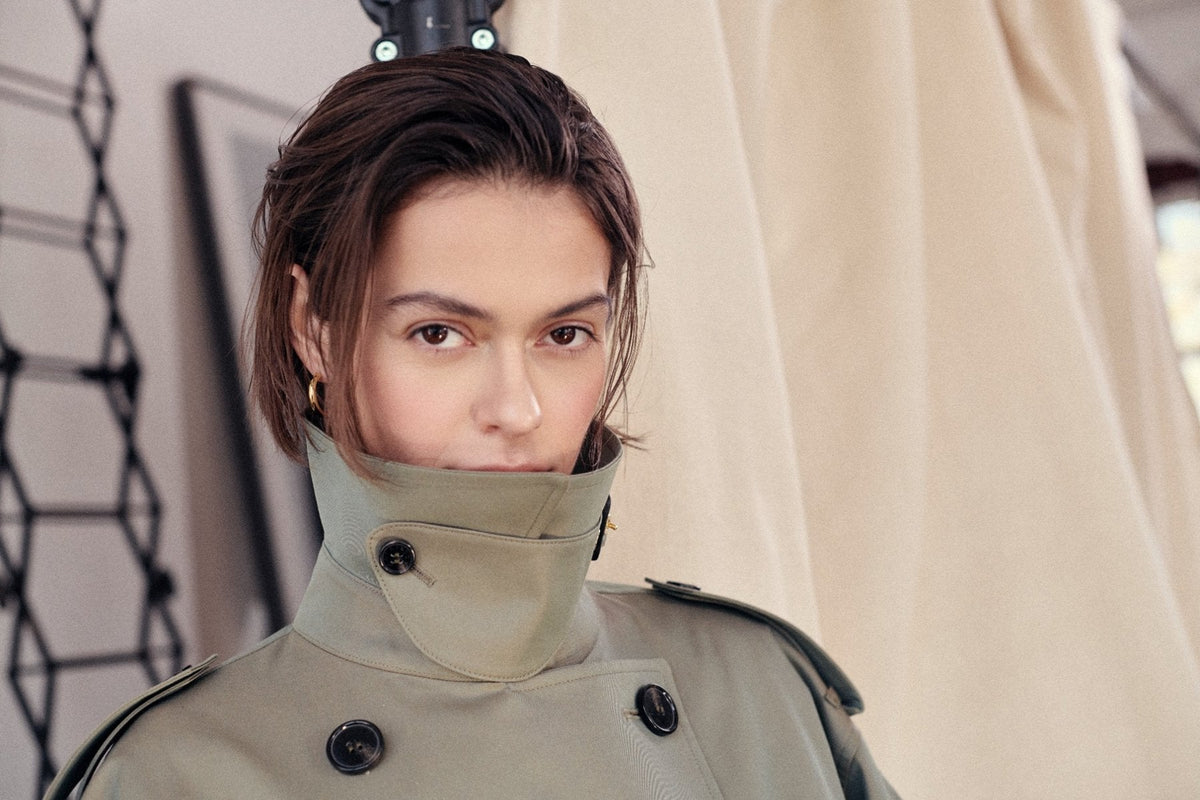

The Mackintosh Guide to Trench Coats
The trench coat endures because its purpose has never changed.
Protection from wind and rain. Freedom to move. A clean, considered silhouette.
At Mackintosh, function has shaped outerwear since Charles Macintosh's pioneering work with waterproof fabric in the nineteenth century. Craft, material and proportion follow that purpose. Nothing is added without reason.
Made for daily wear, a well-made trench coat moves through seasons, weather and wardrobes. This guide considers the history, details, cloths and silhouettes that define it.
Why the Trench Coat Endures
The trench coat began with function, not fashion.
Its appeal followed.
Developed as lighter protective outerwear, it offered resistance to rain and wind without the weight or restriction of heavier coats. Practical details — storm flaps, belts, adjustable cuffs and deep pockets — were there to solve specific problems.
They remain because they work.
That balance still defines the trench coat today. It moves easily between settings: across a city, on a daily commute, over tailoring or with knitwear and denim. It protects without feeling overtly technical and brings structure without excess.
Good outerwear need not announce itself. It earns its place through use.
What Is a Trench Coat?
A trench coat is a weather-resistant overcoat defined as much by function as by silhouette. Traditional details commonly include:
• a structured collar
• a storm flap
• a belted or adjustable waist
• deep, practical pockets
• adjustable cuffs
• a mid-length or longer cut.
The form has evolved, but the principle has not: protection from the elements with enough ease for everyday movement.
The Origins of the Trench Coat
The trench coat's origins lie in the practical demands of late nineteenth- and early twentieth-century outerwear. Early versions were conceived as lighter alternatives to heavy wool coats, with construction and detailing shaped by wet weather and active use.
Over time, the silhouette moved beyond its utilitarian beginnings. What remained were the details that had proved their value: protection, adaptability and a disciplined approach to design.
For Mackintosh, this history is especially close. Charles Macintosh's work with waterproof fabric established a principle that still informs the brand: outerwear should respond to weather first, then refine the experience of wearing it.
What Defines a Mackintosh Trench Coat?
A Mackintosh trench coat begins with purpose.
The silhouette matters. The proportion matters. The finish matters. But each only has value when the coat performs as it should.
Cloth is selected for handle, resilience and protection. The cut must allow movement and layering without losing its line. Seams, fastenings and internal construction are considered for repeated wear, not simply first impression.
This is where craftsmanship is felt: in balance, precision and restraint. The quality is evident, but never overstated.
Mackintosh works with specialist mills and performance cloths that reflect its rainwear heritage. Among them are fabrics featuring Loro Piana Rain System® technology, designed to add resistance to water, dust and stains while preserving the natural character of premium fibres.
The result is quiet rather than showy: exceptional materials, considered construction and performance that feels effortless.
The Importance of Cloth
Cloth determines how a trench coat feels, moves and performs.
It should offer enough substance for protection while remaining comfortable in regular wear. It should drape cleanly, recover well and retain its character over time. At Mackintosh, fabric is never considered separately from function.
Cotton Gabardine
Tightly woven cotton gabardine is closely associated with the trench coat. Durable, breathable and naturally resistant to the weather, it offers structure without unnecessary weight.
Technical Cotton Fabrics
Technical constructions can provide greater resistance to changing conditions while retaining a refined hand and appearance. They are particularly suited to outerwear intended for frequent use in unpredictable climates.
Loro Piana Rain System®
Selected Mackintosh styles use fabrics featuring Loro Piana Rain System® technology. These cloths maintain the handle and appearance of natural fibres while adding protection against water, dust and stains.
The technology serves the cloth, rather than defining it. Performance remains discreet.
Types of Trench Coat
The trench coat has evolved into a number of distinct silhouettes. Each retains the same functional foundation, but changes the balance of structure, coverage and ease.
Double-Breasted Trench Coat
The most recognisable expression of the style. An overlapping front, broad lapels and belted waist give the coat a more architectural line, with a clear connection to traditional trench design.
It layers naturally over tailoring and structured knitwear, bringing presence without relying on decoration.
Single-Breasted Trench Coat
A quieter interpretation. The cleaner front reduces visual weight and gives the silhouette a more contemporary character.
Its simplicity makes it easy to wear across formal and casual wardrobes, particularly for those who prefer outerwear with less structure.
Long Trench Coat
Additional length offers greater coverage and a more fluid silhouette. A well-proportioned long trench should move easily rather than feel heavy, working particularly well over tailoring and in colder or wetter conditions.
Mid-Length Trench Coat
Perhaps the most versatile proportion. Long enough to protect against the elements, yet easy to move in throughout the day, the mid-length trench is well suited to commuting, travel and regular city wear.
Short Trench Coat
A shorter cut brings a lighter, more contemporary feel to the traditional form. It works particularly well in transitional weather and with relaxed tailoring, knitwear and denim.
Hooded Trench Coat
The addition of a hood places greater emphasis on protection while retaining the clean discipline of the trench silhouette. It is a practical option for frequent travel and wet-weather wear.
Choosing the Right Trench Coat
The right trench coat is determined less by trend than by how it will be worn.
Consider the Weather
For frequent exposure to rain and changing conditions, prioritise cloth and construction. Weather-resistant cottons, technical fabrics and specialist treatments can add protection without making the coat feel overly technical.
Consider the Wardrobe
A coat worn over tailoring needs room through the shoulders and body without appearing oversized. A shorter or single-breasted style can sit more naturally with relaxed clothing and lighter layers.
Consider Proportion
Length changes both function and character. Longer coats provide greater coverage and formality; mid-length styles offer balance; shorter cuts feel lighter and more immediate.
Consider Longevity
A good trench coat should remain relevant beyond a season. Neutral tones, disciplined proportions and purposeful details tend to age well because they are not dependent on novelty.
How to Wear a Trench Coat
A trench coat works best when it complements rather than dominates what is worn beneath it.
Over tailoring, a longer or double-breasted coat adds protection while preserving a clean line. With fine knitwear, denim or relaxed trousers, a single-breasted or shorter silhouette can feel more informal without losing structure.
For men's and women's wardrobes alike, simplicity is usually the strongest approach. Let the proportion and cloth do the work.
The trench coat has survived changing fashions because it adapts to them without becoming defined by them.
Caring for a Trench Coat
Outerwear designed for regular use does not need excessive intervention. It needs considered care.
• air the coat naturally after wear
• use a broad hanger that supports the shoulders
• remove surface dirt before it settles into the cloth
• follow the garment's care instructions
• store the coat dry and avoid prolonged storage while damp
• use a breathable garment cover for longer periods of storage.
A well-made coat should be worn. Care preserves its performance and allows the material to develop character over time.
Why Mackintosh?
Mackintosh was built upon a solution to wet weather.
Since Charles Macintosh's pioneering work with waterproof fabric, the objective has remained remarkably consistent: create outerwear that protects, lasts and feels right in daily use.
The methods and materials continue to evolve. The principle does not.
Clean silhouettes, precise construction and carefully selected cloths reflect a long understanding of what outerwear is required to do. Heritage is not treated as decoration; it is expressed through the way the garment is made and the purpose it continues to serve.
A Mackintosh trench coat is designed to be relied upon. Quietly, repeatedly, for years.
Frequently Asked Questions About Trench Coats
What is a trench coat?
A trench coat is a weather-resistant outerwear style traditionally defined by a structured collar, storm flap, practical pockets and, often, a belted waist. Its defining quality is the balance between protection, movement and a clean silhouette.
How should a trench coat fit?
It should accommodate the layers you intend to wear beneath it without feeling oversized. The shoulders should sit naturally, with enough ease through the body for movement while keeping the overall line clean.
What is the difference between a single-breasted and double-breasted trench coat?
A single-breasted trench has a cleaner, more minimal front and often feels more contemporary. A double-breasted trench retains the overlapping structure and stronger architectural character associated with the traditional style.
How do you style a men's trench coat?
Keep the approach simple. A trench works naturally over tailoring, fine knitwear, denim and smart-casual separates. The coat should provide structure without competing with the rest of the outfit.
What should men wear with a trench coat?
Suits, tailored trousers, knitwear, denim and boots all work well. Neutral colours such as navy, black and stone offer particular versatility.
How can you tell if a trench coat is men's or women's?
Traditionally, men's and women's trench coats differ in cut, proportion and fastening direction. Contemporary designs often use more adaptable silhouettes, making those distinctions less pronounced.
Are trench coats waterproof?
Protection depends on the fabric and construction. Many trench coats are weather resistant, while specialist cloths and treatments can offer enhanced protection from rain, wind and changing conditions.
What is a Mac raincoat?
A Mac raincoat refers to a raincoat inspired by the waterproof garments that followed Charles Macintosh's development of rubberised waterproof fabric. In the UK, “Mac” remains widely used as shorthand for a raincoat.
A Coat Made to Be Worn
The trench coat endures because it works.
It protects, adapts and carries history without being bound by it.
Its quality begins with cloth, construction, proportion and purpose.
That is Mackintosh outerwear. Functional. Precise. Understated. Made for use.


