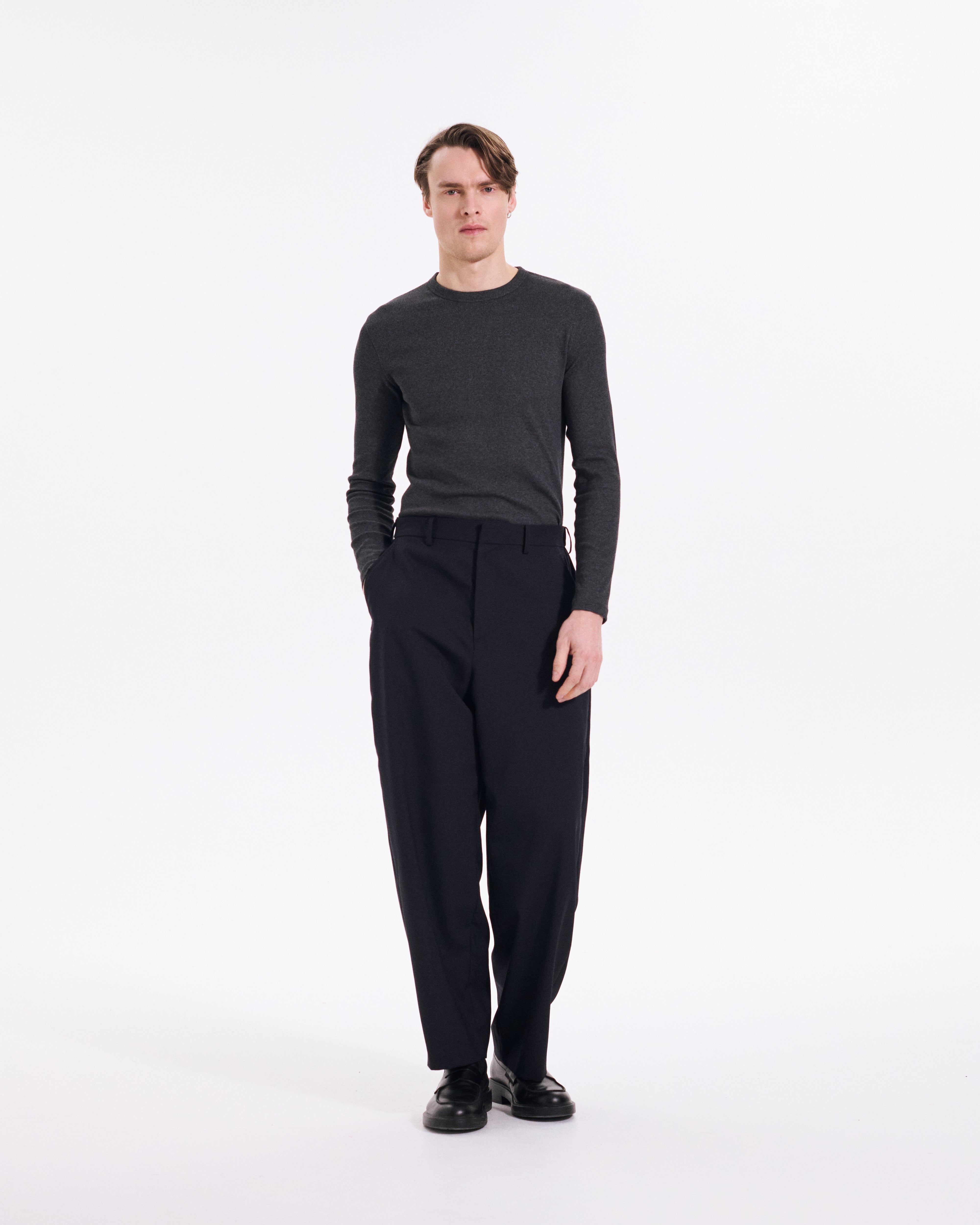
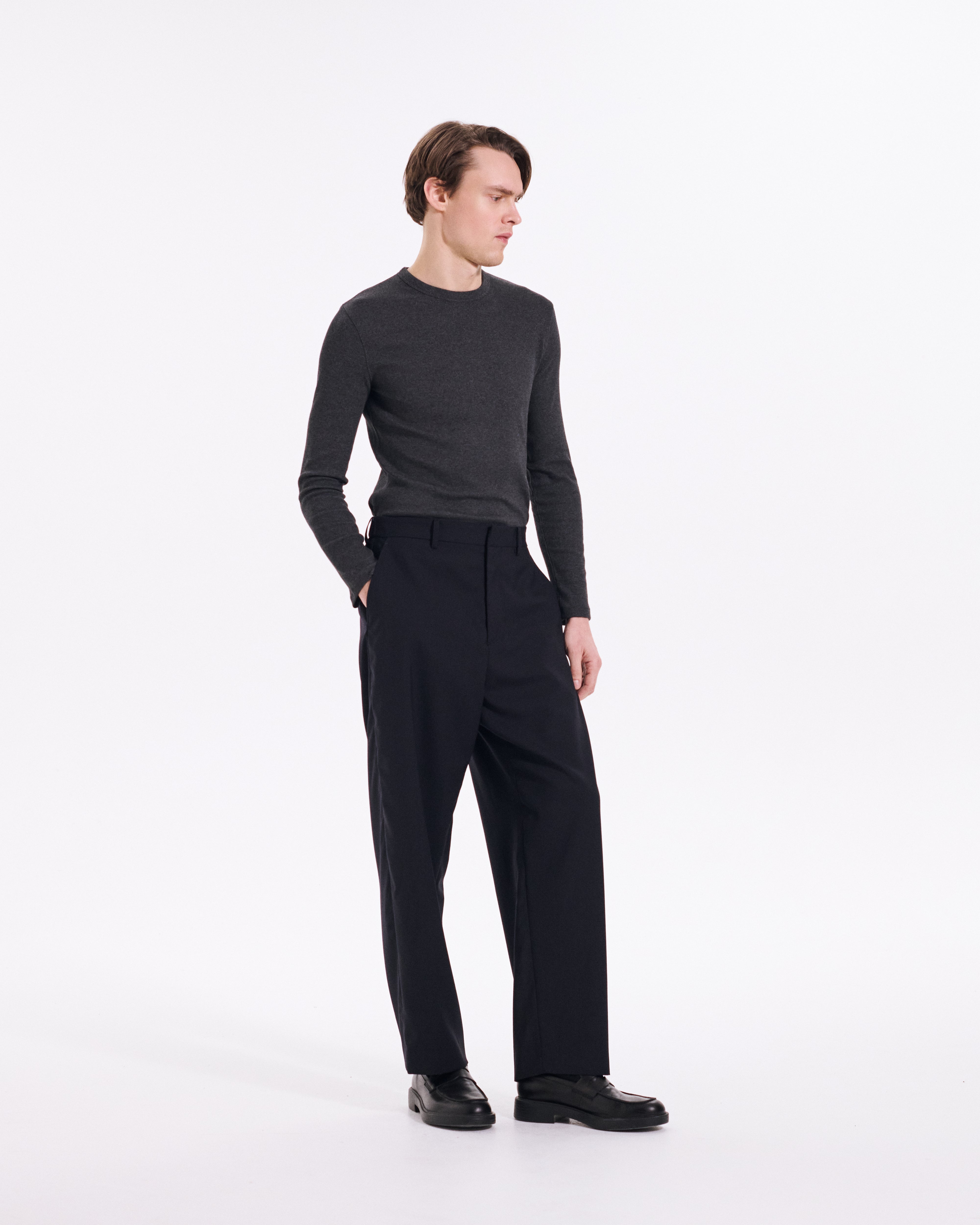
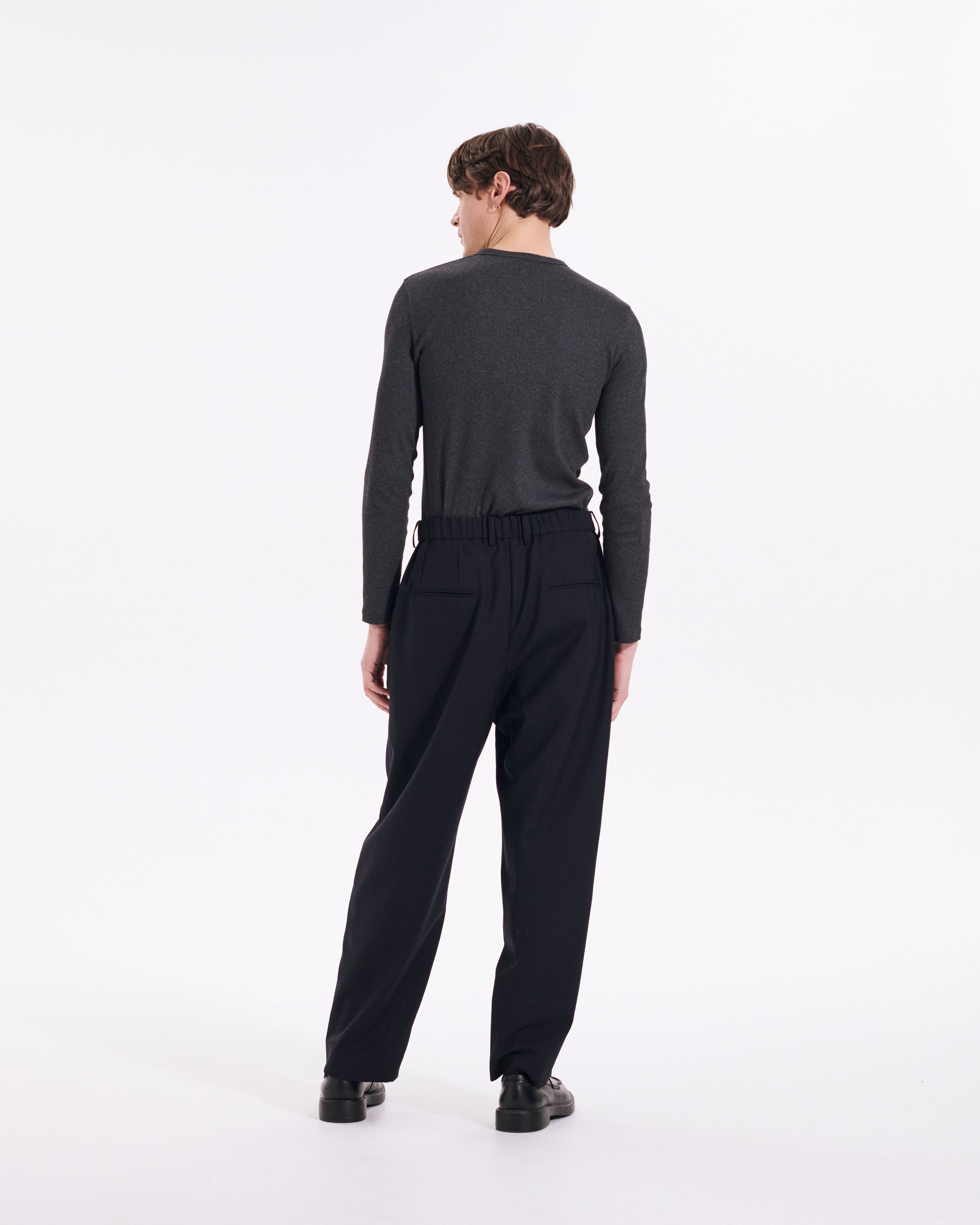
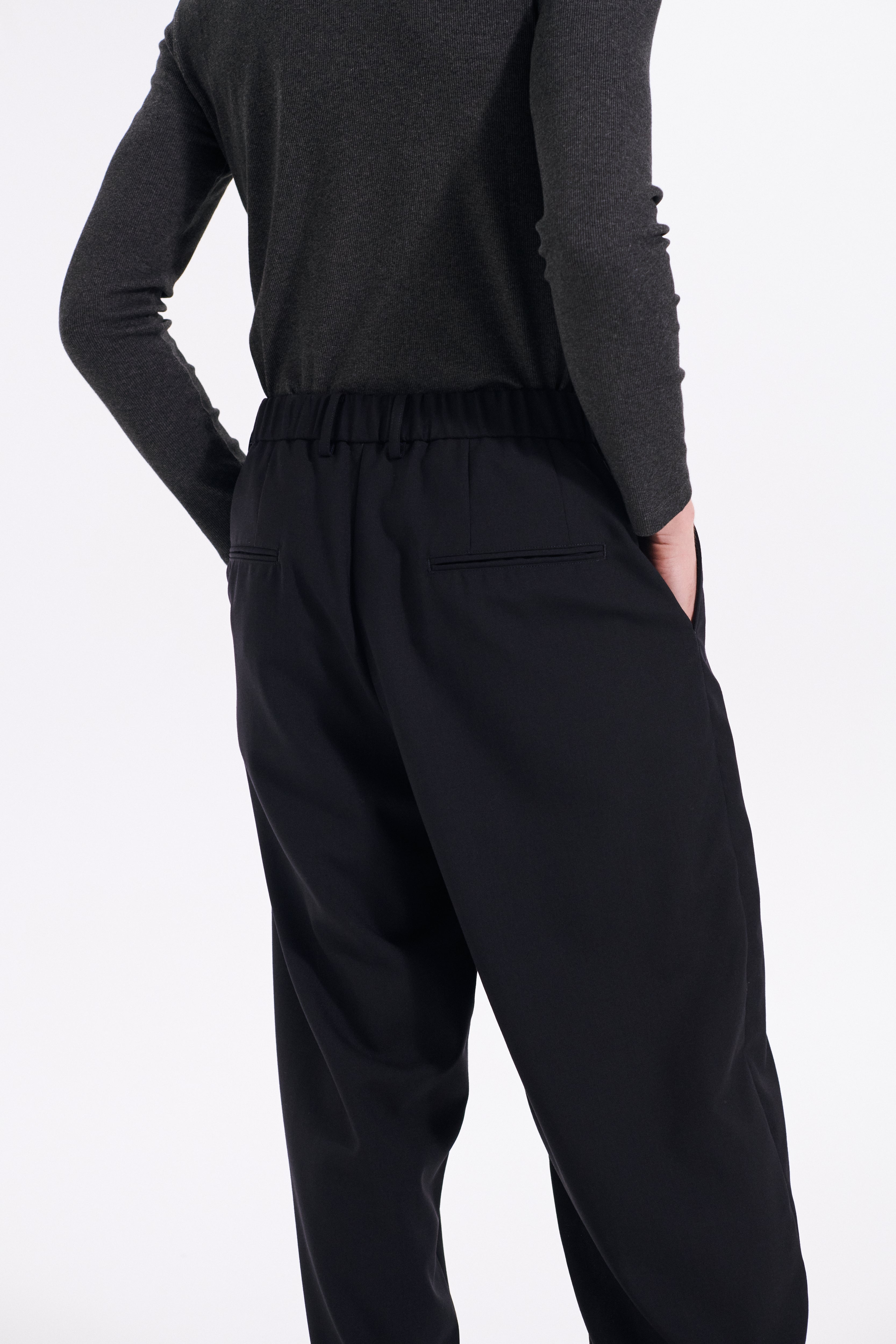
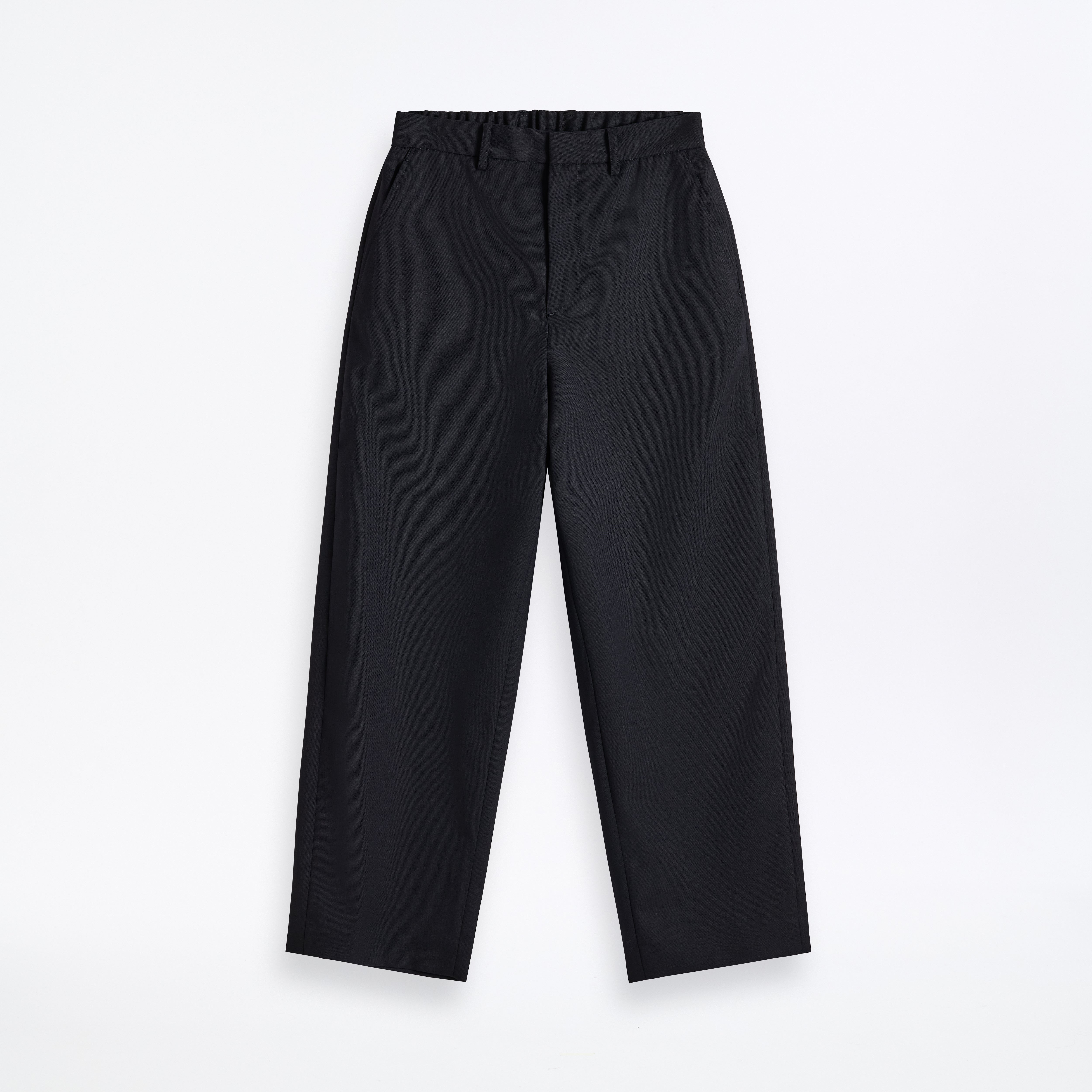
Pantaloni Midlem in Lana Pregiata

Regular price €370
Pantaloni 100% lana a 60 capi dalla forma a botte minima.
Colore:
Dimensioni:

Model is 188cm and is wearing a size M

Midlem Fine Wool Trousers

About

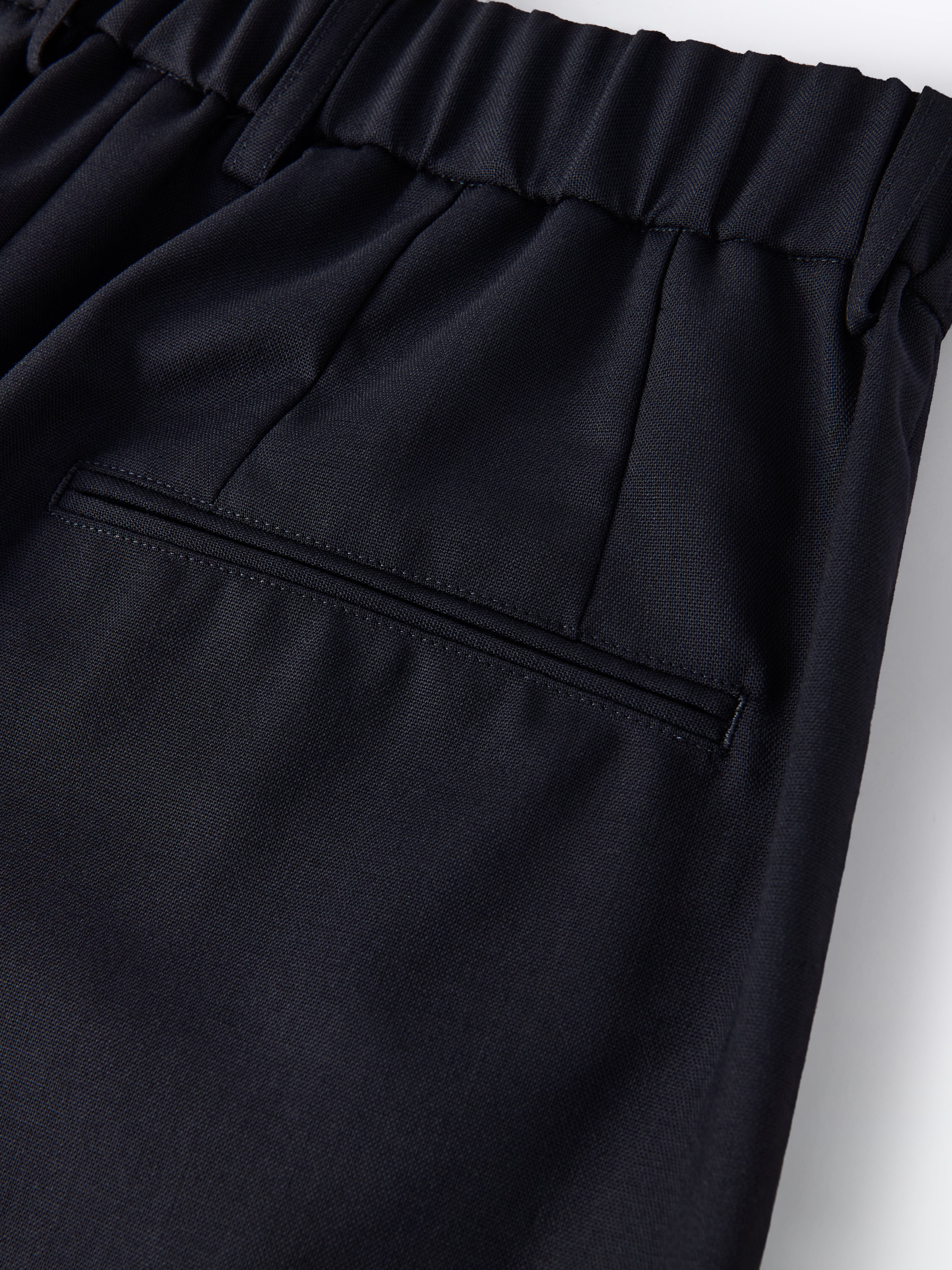
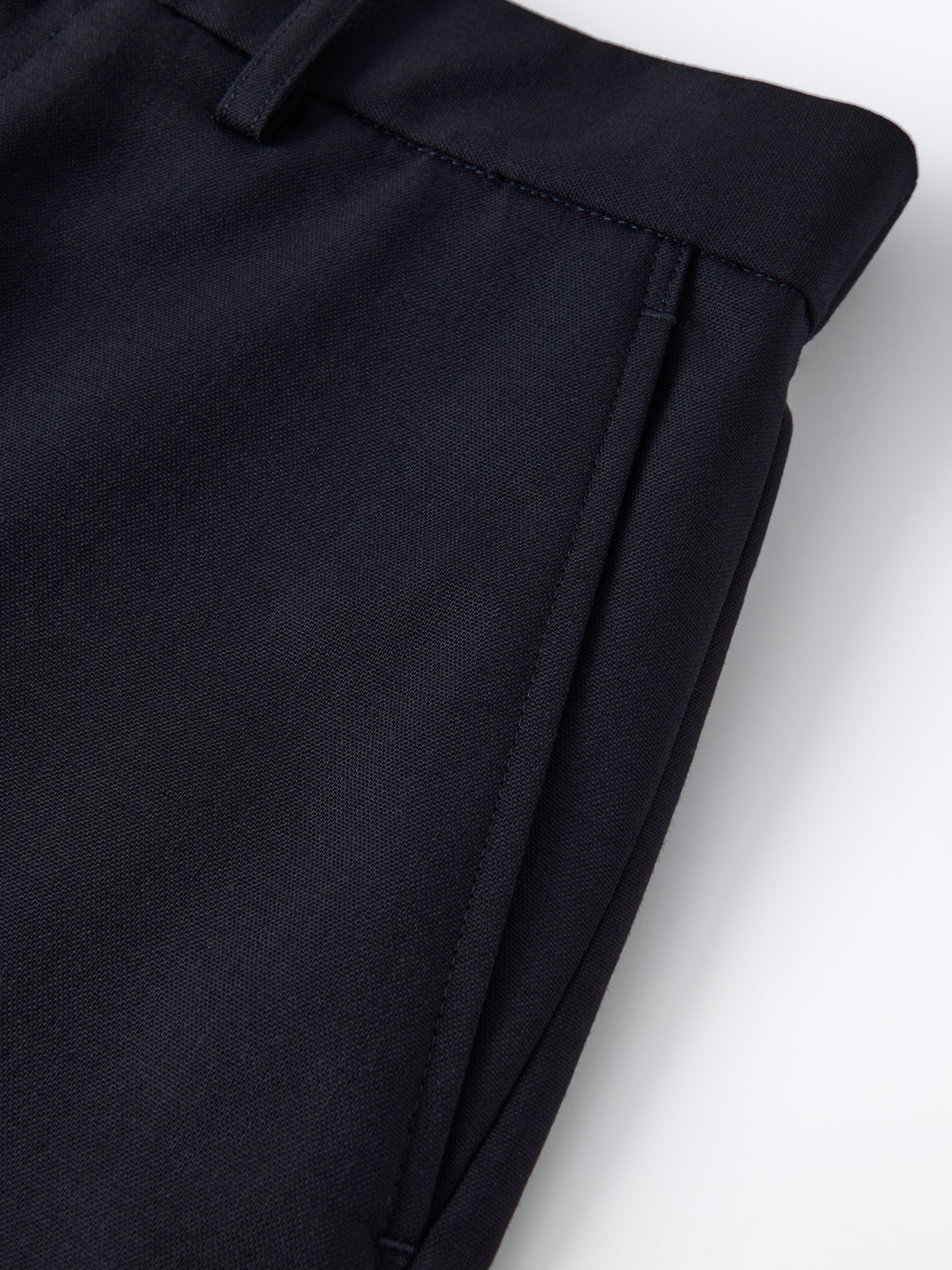
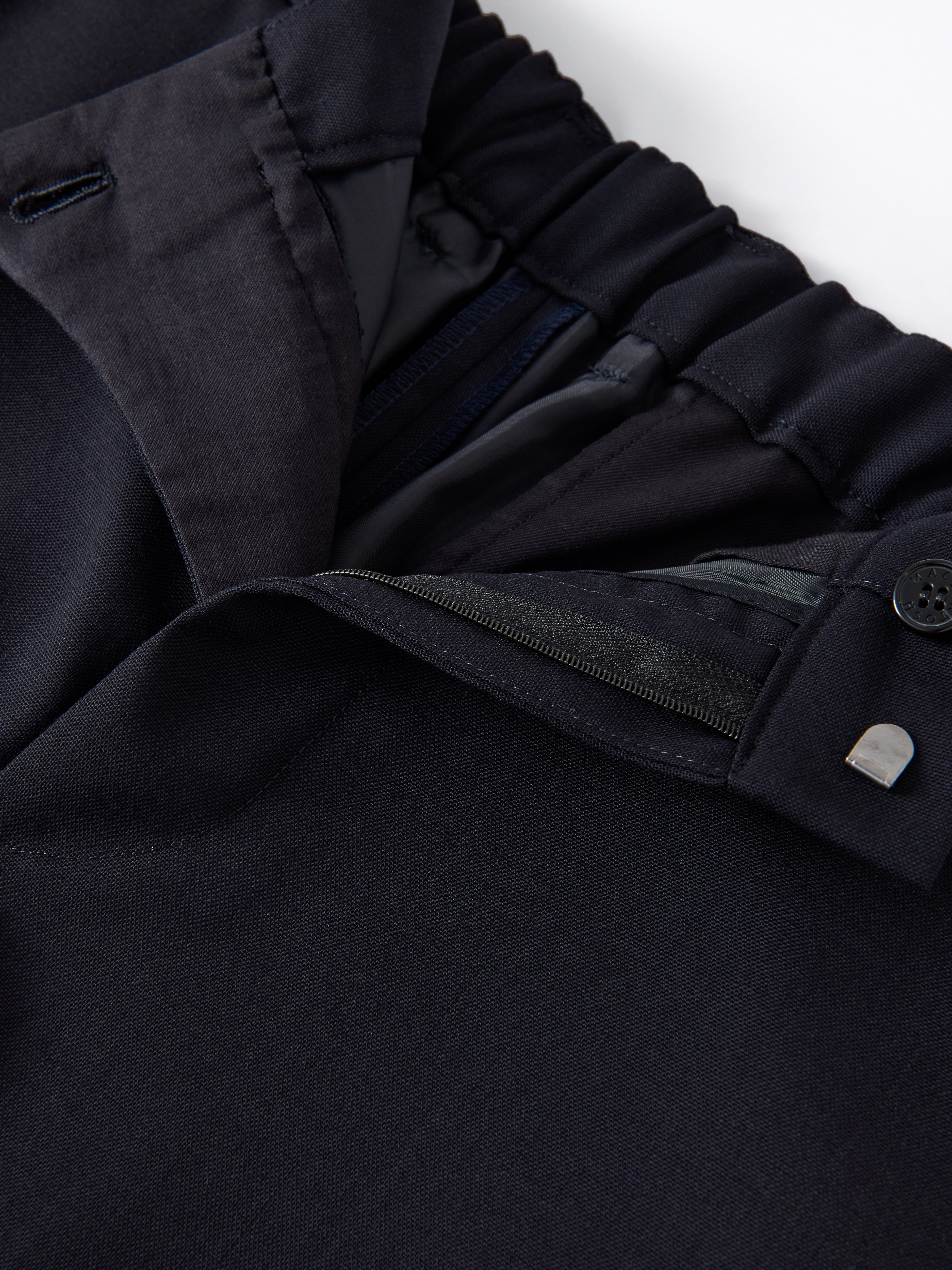
Pantaloni dalla linea essenziale a "botte" arrotondata. Nonostante le curve voluminose, mantengono un'impressione sorprendentemente pulita e netta. Le cuciture laterali si restringono delicatamente verso l'orlo, offrendo una vestibilità rilassata che nasconde la linea della gamba, bilanciando perfettamente eleganza e comfort senza sforzo. Rifiniti con mezza fodera.
Details

Pantaloni dalla linea essenziale a "botte" arrotondata. Nonostante le curve voluminose, mantengono un'impressione sorprendentemente pulita e netta. Le cuciture laterali si restringono delicatamente verso l'orlo, offrendo una vestibilità rilassata che nasconde la linea della gamba, bilanciando perfettamente eleganza e comfort senza sforzo. Rifiniti con mezza fodera.
Made in
Japan
Item code
A: Can you tell me the difference between a `class` and an `id` in CSS? B: Of course. In CSS, both `class` and `id` are used to select HTML elements, but they have distinct differences in how they are applied and their specificity. An `id` is a unique identifier. This means that each `id` should be used only once per page. Think of it like a person's social security number – it's unique to that individual. IDs are ideal for selecting a single, specific element that you want to style or manipulate with JavaScript. For example, if you have a main header that you want to style uniquely, you would give it an `id` like this: ```html

Welcome to My Website

``` And in your CSS: ```css #main-header { color: blue; font-size: 2em; } ``` A `class`, on the other hand, is a non-unique identifier. This means that multiple HTML elements can share the same `class` name. Classes are used to apply the same styles to multiple elements, or to group elements that share common characteristics. Think of it like a category or a tag. For instance, if you have several buttons that should all look similar, you would give them a `class`: ```html ``` And in your CSS: ```css .button-style { background-color: green; color: white; padding: 10px 20px; border-radius: 5px; } ``` Here's a summary of the key differences: * **Uniqueness:** `id` is unique (one per page), `class` is not (multiple per page). * **Specificity:** `id` selectors have higher specificity than `class` selectors. This means if the same element has both an `id` and a `class` with conflicting styles, the `id`'s style will take precedence. * **Usage:** `id` is for unique, single elements; `class` is for applying styles to multiple elements or grouping them. * **JavaScript:** `id` is often used for JavaScript to target a specific element easily (e.g., `document.getElementById()`). `class` is used for selecting multiple elements (e.g., `document.getElementsByClassName()`). In general, it's good practice to use `class` for most of your styling and reserve `id` for truly unique elements or for JavaScript targeting. Using too many `id`s can make your CSS harder to maintain and less reusable. A: Mi puoi spiegare la differenza tra `class` e `id` in CSS? B: Certo. In CSS, sia `class` che `id` sono usati per selezionare elementi HTML, ma hanno differenze distinte nel modo in cui vengono applicati e nella loro specificità. Un `id` è un identificatore unico. Ciò significa che ogni `id` dovrebbe essere usato solo una volta per pagina. Pensalo come il codice fiscale di una persona – è unico per quell'individuo. Gli ID sono ideali per selezionare un singolo, specifico elemento che vuoi stilizzare o manipolare con JavaScript. Ad esempio, se hai un'intestazione principale che vuoi stilizzare in modo unico, le daresti un `id` in questo modo: ```html

Benvenuti nel mio sito web

``` E nel tuo CSS: ```css #main-header { color: blue; font-size: 2em; } ``` Una `class`, d'altra parte, è un identificatore non unico. Ciò significa che più elementi HTML possono condividere lo stesso nome di `class`. Le classi sono usate per applicare gli stessi stili a più elementi, o per raggruppare elementi che condividono caratteristiche comuni. Pensala come una categoria o un tag. Ad esempio, se hai diversi pulsanti che dovrebbero avere tutti un aspetto simile, daresti loro una `class`: ```html ``` E nel tuo CSS: ```css .button-style { background-color: green; color: white; padding: 10px 20px; border-radius: 5px; } ``` Ecco un riassunto delle differenze chiave: * **Unicità:** `id` è unico (uno per pagina), `class` non lo è (più per pagina). * **Specificità:** I selettori `id` hanno una specificità maggiore rispetto ai selettori `class`. Ciò significa che se lo stesso elemento ha sia un `id` che una `class` con stili contrastanti, lo stile dell'`id` avrà la precedenza. * **Utilizzo:** `id` è per elementi unici e singoli; `class` è per applicare stili a più elementi o raggrupparli. * **JavaScript:** `id` è spesso usato da JavaScript per puntare facilmente un elemento specifico (ad esempio, `document.getElementById()`). `class` è usato per selezionare più elementi (ad esempio, `document.getElementsByClassName()`). In generale, è buona pratica usare `class` per la maggior parte della tua stilizzazione e riservare `id` per elementi veramente unici o per il targeting JavaScript. L'uso di troppi `id` può rendere il tuo CSS più difficile da mantenere e meno riutilizzabile.

Fabric & care

Composition
100% Lana

Shipping & returns

Shipping

Free global shipping on all orders over 300 GBP/ 350 EUR / 400 USD / 60,000 JPY or equivalent CX exchange rate.


All global orders are delivered inclusive of customs & duties (DDP).


Free exchanges & returns.

Returns

Free exchanges & returns